
You pull out that flat-pack furniture box, eager to build a new shelf. Tools ready, you dive in. Halfway through, pieces don’t fit. Extra screws litter the floor, and the whole thing wobbles. Sound familiar?
These slip-ups happen everywhere. You burn a cake because you skipped preheating the oven. At work, you miss a key step in a report and face rework. Students cram without structure and bomb exams. Tax filers enter wrong numbers, delaying refunds by weeks. Common mistakes when following instructions cost time, money, and peace of mind. In 2026, IRS data shows simple errors like mismatched SSNs snag millions of returns, with processing lags up to months due to staff cuts.
Why do smart people falter on basic directions? Old habits, brain glitches, and modern pressures play roles. This post breaks down everyday errors, digs into root causes from recent psych studies, and offers fixes backed by expert tips. You’ll spot why people fail to follow directions and learn quick changes for better results. Let’s start with slip-ups that hit closest to home.
Everyday Slip-Ups That Sabotage Simple Tasks
Mistakes pop up in recipes, job training, and daily chores. Recent student studies highlight no plans or passive reading as top issues. Workers face similar woes in operational tasks. These errors lead to repeated failures and stress. Spot them early to cut losses.
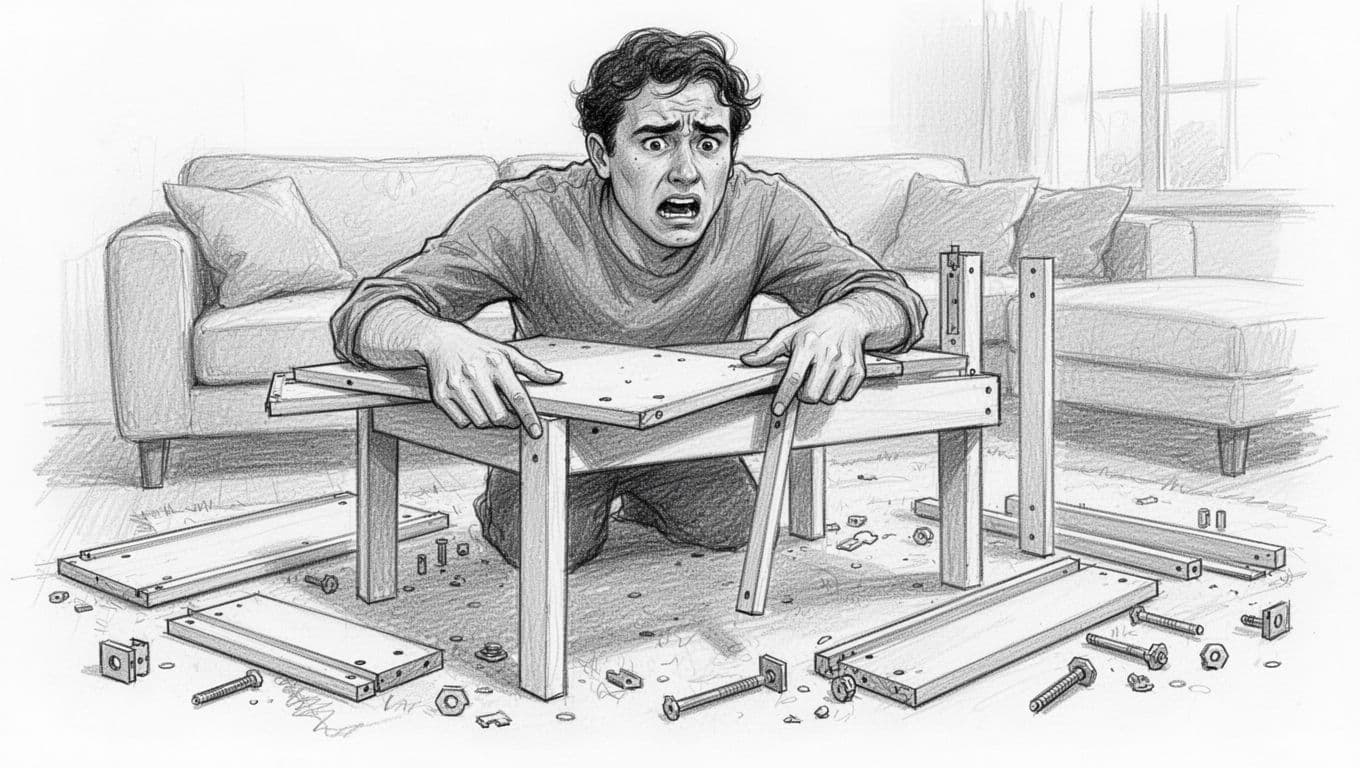
Jumping In Without a Clear Plan
People often start tasks at random. They lack outlines or schedules. Students study videos but skip route practice for driving tests. Result? Failures pile up.
A 2026 guide notes no study plans waste time and miss topics. Without structure, you chase shiny parts instead of steps. Fallout includes half-done projects and frustration. Preview fix: Sketch a quick timetable first.
Reading Instructions But Never Putting Them into Action
You read guides but stay passive. No practice follows. Watch a cooking video, yet never chop ingredients. Retention drops fast.
Studies show this leads to flops in skills like maneuvers. Research on instruction memory in kids with attention issues proves action boosts recall. Passive habits mean poor real-world results. Test steps right away to lock them in.
Overthinking Until You Never Start
Analysis stalls action. You plan endlessly for perfect setup. A project delays because conditions aren’t ideal. Progress halts completely.
Perfectionism triggers brain freeze in the prefrontal cortex. 2026 insights link it to worse work and missed chances. Fear of errors keeps you stuck. Set limits to move forward.
Brushing Off Tiny Details
Small oversights snowball. Wrong account numbers in taxes delay refunds. Misspell names on forms, and IRS flags hit.
Early 2026 tax trends show mismatched SSNs top errors, especially in paper filings. Minor slips in work or home tasks cause big fixes. Every detail guards against chaos. Double-check them all.
Speeding Through Without a Second Look
Rush kills accuracy. In 2026’s quick world, you post content without proofreads. Typos and misses follow.
Haste breeds errors in any directions. Deadlines push skips. Slow down for quality. Review catches most blunders.
Why Your Brain Betrays You on Basic Directions
Root causes explain the cycle. Psych data reveals impulsiveness, overconfidence, and focus gaps. Understand these triggers to fight back. Everyday examples make it clear.
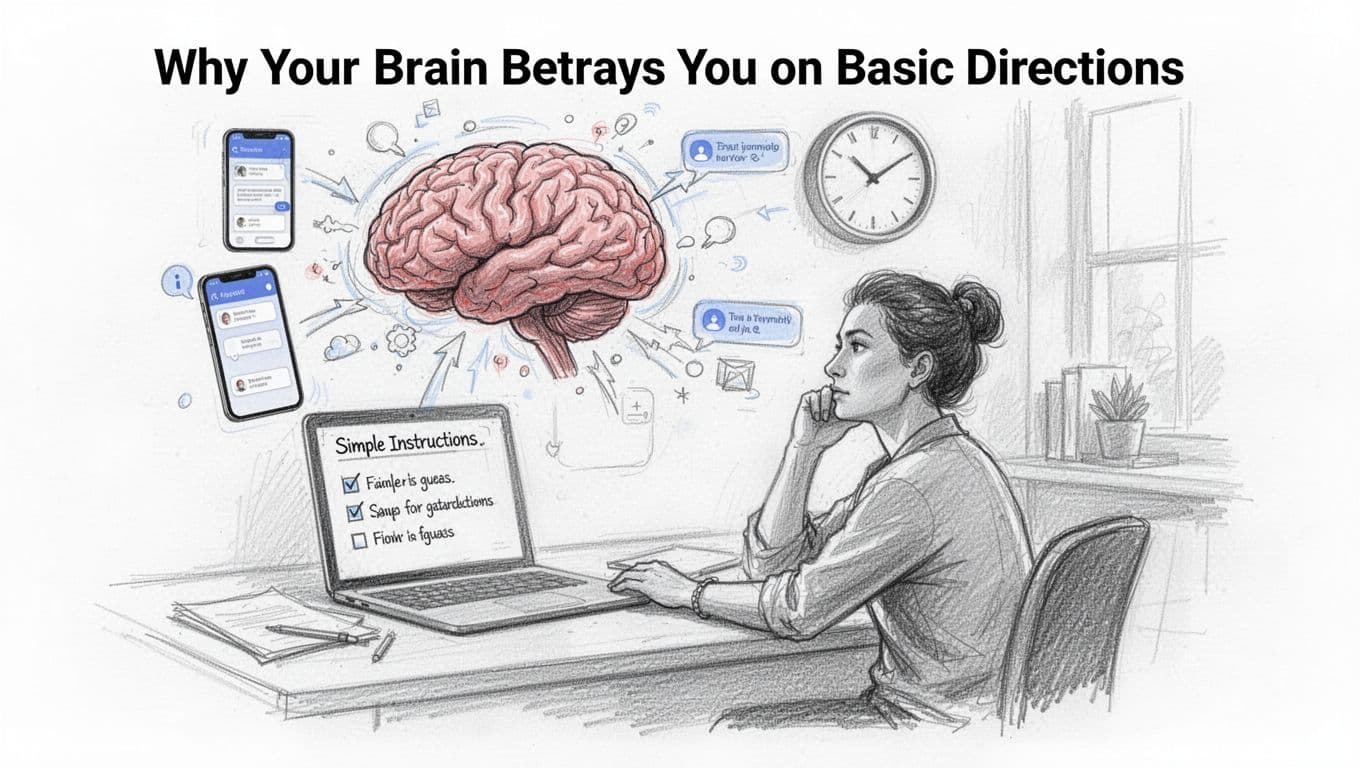
The Pull of Constant Distractions
Notifications steal focus. Phones ping during tasks. Students miss steps amid social media. Details vanish.
APA research on multitasking costs shows switches cut efficiency. Multitasking fragments thought. Create quiet zones to stay on track.
Racing Against the Clock in a Fast World
Speed culture demands quick moves. Deadlines force skim reads. Work errors spike from pressure.
2026 life amps this. Procrastination adds rush, per tax filer stats. Balance pace with care. Prioritize accuracy first.
Running on Empty Body and Mind
Tiredness shrinks memory. Late nights or hunger impair steps. Stress acts like fatigue.
Studies link poor sleep to forgotten directions. Emotional loads overload brains. Rest sharpens focus. Eat and sleep before big tasks.
Thinking You Know Better Than the Guide
Overconfidence skips ‘obvious’ steps. You doubt safety checks. Guides exist for reasons.
Illusory superiority tricks you. Past luck reinforces ignores. Follow fully; trust proves value over time.
Quick Fixes to Nail Instructions Every Time
Experts offer simple steps. Tie them to errors and causes. Try one today for wins. Build habits for life.
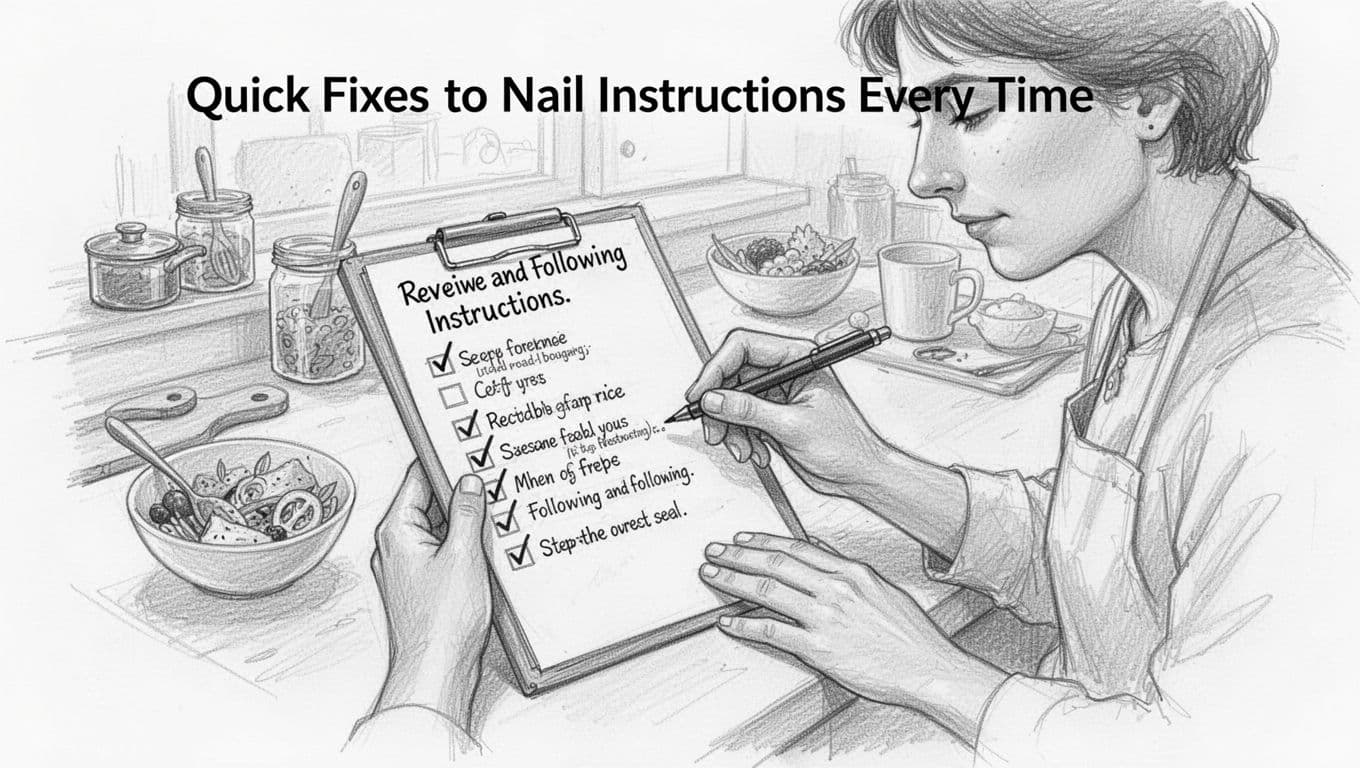
Scan the Whole Thing Before Diving In
Read full guides first. Spot big picture, like recipe surprises. Highlight keys.
This counters jumps and details slips. Tips from Mary Rigg Center stress overviews. Saves time long run.
Chop Tasks into Bite-Sized Chunks
Break steps small. Outline plans. Start tiny, build up.
Fights no-plan and paralysis. Students succeed with schedules. Progress feels easy.
Practice Doing, Not Just Reading
Act on words. Test as you go. Hands-on trials stick skills.
Beats passive fails. Action aids memory, per studies. Real reps build confidence.
Fuel Up and Clear Distractions
Sleep well, eat first. Silence phones. Quiet spaces help.
Tackles tiredness and pings. Self-care boosts brain power. Steady energy wins.
Pause and Review Before Finishing
Double-check lists. Rituals catch rushes. Verify each part.
Stops oversights. Checklists prove reliable. Finish strong every time.
Common slip-ups like rushing or skipping practice waste effort. Brain factors such as distractions and overconfidence fuel them. Yet quick fixes, from full scans to reviews, turn it around. Small changes yield big wins in work, learning, and home.
To avoid common mistakes when following instructions, pick one tip now. Apply it to your next task, like a recipe or report. Notice the difference? Share your results in comments below. You’ve got this; better habits start today.